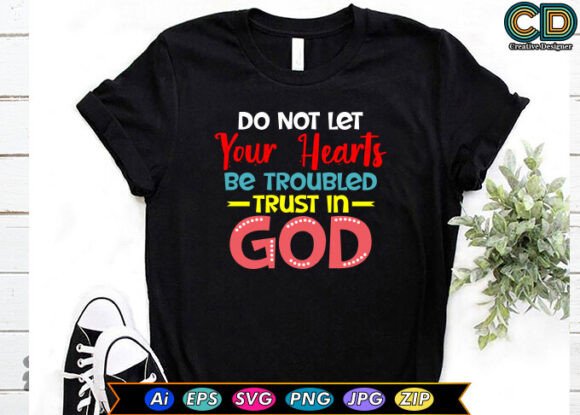
Do Not Let Your Hearts Be Troubled Trust
As an experienced embroidery designer and product reviewer, I’ve seen my fair share of machine embroidery designs come and go. Some are purely decorative, others serve a purpose in branding or personalization, but the best ones strike a balance between sentiment and stitchability. The Do Not Let Your Hearts Be Troubled Trust In God design is one that caught my attention not just for its message, but for how it translates into real-world projects.
A Message That Resonates, A Design That Delivers
The first thing that stands out about this design is its tone — calm, reassuring, and deeply personal. The phrase “Do Not Let Your Hearts Be Troubled” has a gentle weight to it, while “Trust In God” adds a sense of hope and faith. Combined, they create a mood that’s both comforting and empowering. As someone who works with clients looking for meaningful handmade products, this kind of message can be incredibly valuable.
Visually, the layout feels intentional. The text is centered, making it easy to place on a variety of items like sweatshirts, tote bags, or aprons. The font style is modern yet classic — not too bold, not too delicate. It suggests a balance between accessibility and elegance. While there’s no mention of specific fonts or color palettes, the inclusion of editable SVG and AI files means you have creative freedom to adapt the look to your brand or customer preferences.
What This Design Brings to the Table
This design isn’t flashy, which is exactly what makes it versatile. Its simplicity allows it to work well across different styles and audiences. Whether you're creating personalized gifts or branded merchandise for a small shop, the message remains clear and impactful. The high-quality JPG file also ensures that when you’re showing off your digital mockups or using printable templates, the presentation looks polished and professional.
Real-Life Embroidery Use Cases
I recently tested this design as part of a custom sweatshirt order for a boutique client. The idea was to offer a spiritual-themed line during the holiday season. The design worked beautifully on a medium-weight cotton blend fabric, and the overall result was a warm, inviting piece that felt both thoughtful and high quality. Here's how it performed in various contexts:
- Tote Bags: The central alignment and moderate size made it ideal for placement near the top center of a canvas tote bag. Customers loved how it added a subtle touch of inspiration without overwhelming the item.
- Sweatshirts & T-Shirts: On a soft fleece sweatshirt, the design maintained clarity even after multiple washes. For t-shirts, it held up well with proper stabilizer and careful stitching around the neck area.
- Baby Clothes & Aprons: The message was softened further when applied to pastel-colored baby apparel. For aprons, especially those used in kitchens or craft fairs, the design felt like a perfect addition to a handmade label or pocket patch.
- Pillow Covers & Tea Towels: When stitched onto linen or cotton blends, the design became a quiet focal point, adding character without being distracting. Ideal for home décor lines targeting cozy, spiritual themes.
- Holiday Gifts: During the holidays, this design could be paired with festive accents or placed subtly on gift tags and ornaments. It brought a sense of peace to otherwise busy gift-giving seasons.
In all these cases, the design performed admirably. It wasn’t too large or intricate, so it didn’t require excessive hoop space or special equipment. That’s a big plus for hobbyists and small business owners who may not have access to industrial machines.
Where Caution Is Advised
While the design is flexible, there are certain limitations to consider. For instance, if you plan to use it on a small hoop size, you’ll need to adjust the scale carefully. The message is somewhat lengthy, and reducing it too much might compromise readability.
Textured fabrics like flannel or denim can pose challenges. Because the design doesn't include heavy decorative elements, the texture of the fabric will show through more clearly. You’ll want to test stitch density and thread contrast before committing to a full run.
Similarly, applying it to thin or stretchy materials such as rayon or jersey knit requires extra care. These fabrics tend to shift under tension, and without the right stabilizer, the letters may skew or lose their crispness. Always recommend a tear-away or cut-away stabilizer depending on the material thickness.
Dark fabric backgrounds can also affect visibility. If your project uses a deep navy or black base, ensure the thread colors provide enough contrast. The absence of specific thread suggestions in the design description means you’ll have to decide based on your fabric and target audience.
Products that see frequent washing — like kitchen towels or nursery items — should be stitched with durable threads and possibly reinforced with backstitching or additional layers of satin stitch to maintain integrity over time.
Design Notes for Maximum Impact
Before diving into production, here are some practical tips I’d suggest to anyone planning to use this design:
- Test on scrap fabric: Try stitching the design on a sample of your intended material. This helps you evaluate how the stitches hold up and whether the visual impact matches your expectations.
- Check thread color contrast: Especially important for dark or patterned fabrics. A white or light blue thread might not pop on a navy tote bag. Consider using gold or metallic tones for a softer glow.
- Review stitch density: Since the design lacks complex fill patterns, maintaining consistent stitch density is key to ensuring the text remains legible and clean after embroidery.
- Confirm hoop size: If you’re working with tight spaces, make sure the final dimensions of the design fit within your available hoop sizes without distortion.
- Inspect small details: Look at the spacing between letters and the edges of each stroke. Tiny lettering or thin lines may become blurred if the fabric stretches or the machine settings aren’t optimized.
- Use black and white mockups: Before printing any previews or selling digital embroidery files, test how the design looks in grayscale. This helps identify potential issues with contrast and visibility.
- Compare light and dark fabric backgrounds: Visual appeal changes dramatically based on fabric color. Make sure your design works across your intended range of products.
- Use proper stabilizer: Never underestimate the importance of stabilizing your fabric. Even simple text designs can misbehave if the backing support isn’t adequate.
- Confirm licensing: If you plan to sell finished products or digital embroidery files, always double-check the licensing terms. This design comes with editable formats, which is great for customization, but commercial usage depends on permissions from the original creator.
Enhancing Brand Value and Customer Connection
For Etsy sellers and craft business owners, this design can elevate the emotional value of your products. Imagine offering an embroidered personalized gift with a message that speaks directly to the recipient’s heart. It can transform a simple item like a pillow cover or apron into something deeply meaningful.
In handmade product lines, the design supports a consistent theme of mindfulness or faith. Its neutral tone allows it to pair well with other minimalistic graphics or monochromatic color schemes. As a commercial embroidery asset, it’s suitable for boutiques or small shops aiming to build a signature look that resonates with customers on a personal level.
From a professional standpoint, the design helps establish trust. Buyers recognize thoughtfulness in a product when the message is clear and the execution is precise. It’s the kind of detail that sets apart a mass-produced item from a handcrafted one.
Final Thoughts for Creative Entrepreneurs
The Do Not Let Your Hearts Be Troubled Trust In God embroidery design is a solid choice for anyone looking to add a touch of sincerity to their embroidery project. It fits naturally into spiritual-themed collections, holiday gifts, and even general comfort-focused product lines. However, its success hinges on thoughtful preparation and application.
If you’re considering using it for sweatshirt embroidery, tote bag design, or baby embroidery, take the time to experiment with placement, scale, and thread options. This design thrives when matched with the right context and materials. It’s not a one-size-fits-all solution, but with a bit of attention, it can become a standout feature in your design assets.
Remember, the strength of any machine embroidery design lies not just in the file itself, but in how it’s used. Treat this one with care, and it’ll return the favor by adding depth and meaning to your next handmade product.